Why Tuna Is a Strategic Industry for Malaysia's Food Security
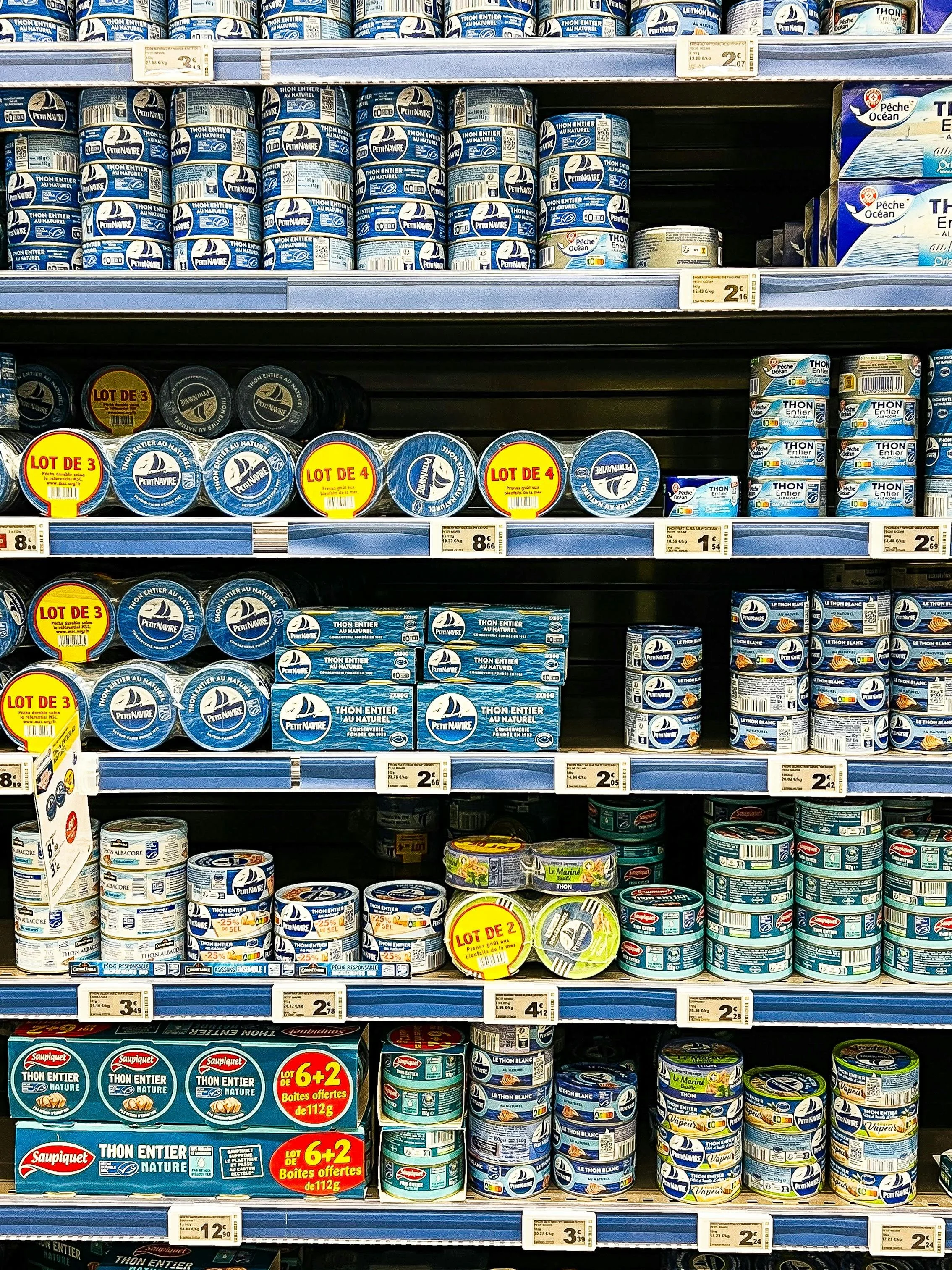
For many Malaysians, tuna is simply another seafood product found on supermarket shelves or exported overseas. However, behind the product lies an industry that plays a much larger role in national food security, economic development, international trade, and the livelihoods of thousands of people.
As the world faces growing concerns over food security, supply chain disruptions, climate change, and geopolitical uncertainties, strategic food industries are becoming increasingly important. Tuna is one of those industries that deserves greater attention in Malaysia.
The Growing Global Demand for Seafood Protein
The world's population is expected to continue growing in the coming decades, increasing the demand for affordable and nutritious protein sources. Seafood has become one of the most important sources of animal protein globally, providing essential nutrients, omega-3 fatty acids, vitamins, and minerals.
Unlike land-based agriculture, which faces increasing challenges from limited land availability, water scarcity, and urbanization, the oceans continue to offer significant opportunities to produce sustainable food resources when managed responsibly.
Among all seafood products, tuna stands out as one of the most internationally traded species. It is consumed in nearly every region of the world, from canned tuna in Europe and North America to sashimi-grade tuna in Japan and other premium markets. This strong global demand ensures that tuna remains one of the most valuable and strategically important fisheries in the world.
Fisheries Are Essential to Food Security
Food security is often associated with rice, poultry, and vegetables. However, fisheries are equally important in ensuring a stable and affordable food supply.
Malaysia is surrounded by rich marine resources, considering its strategic positions in between the Indian and Pacific Ocean, and has a long history of fishing and seafood consumption. The fisheries sector supports thousands of fishermen, processors, exporters, logistics providers, and supporting industries throughout the country.
A strong fisheries sector contributes to food security by:
Providing affordable protein to consumers
Supporting rural and coastal livelihoods
Generating export earnings that strengthen the economy
Reducing dependence on imported food products
Maintaining strategic food reserves during supply disruptions
As global food systems become increasingly vulnerable to disruptions, countries that can secure their own protein supplies will be in a stronger position to protect their populations and economies.
Malaysia's Strategic Position in the Global Tuna Industry
Malaysia occupies a unique geographical position between two of the world's most important tuna-producing regions.
To the east lies the Pacific Ocean, one of the world's largest tuna fishing grounds. To the west lies the Indian Ocean, which produces a significant portion of global tuna catches. Malaysia sits at the crossroads of major international shipping routes connecting Asia, Europe, the Middle East, and North America.
This strategic location gives Malaysia several advantages:
Access to major tuna fishing grounds
Established maritime infrastructure
Strong logistics connectivity
Access to key export markets
A long history of seafood processing and trade
Few countries possess such a combination of geographical, logistical, and industrial advantages.
Yet despite these strengths, Malaysia has not fully realized its potential as a leading tuna processing and trading hub. Much of the value generated from tuna is captured by neighboring countries that have invested heavily in processing capacity, infrastructure, and industry development.
Why Tuna Is More Than Just an Export Commodity
Many people view tuna primarily as an export product. While exports are important, the industry's contribution goes far beyond foreign exchange earnings.
A robust tuna industry creates:
Employment Opportunities
Tuna fisheries and processing facilities generate jobs across the entire value chain, including:
Fishermen and vessel crews
Factory workers
Quality control personnel
MSC sustainable practise officer
MSC observer
Refrigeration specialists
Logistics providers
Packaging manufacturers
Export professionals
Economic Multipliers
Every tonne of tuna landed creates demand for:
Cold storage facilities
Transportation services
Packaging materials
Fuel suppliers
Port services
Shipyard, maintenance and engineering services
The industry's impact extends far beyond the fishing vessel itself.
Food Security Resilience
A strong domestic tuna industry ensures that Malaysia maintains access to an important protein source, particularly during periods of global uncertainty.
The COVID-19 pandemic demonstrated how quickly international supply chains can be disrupted. Nations with strong domestic food production capabilities were generally better positioned to manage such disruptions.
Investing in the Future
If Malaysia wishes to strengthen its food security while creating high-value jobs and export opportunities, investment in the tuna industry should be viewed as a strategic national priority.
Key areas for future investment include:
Modern fishing vessels
Sustainable fisheries management
Tuna processing facilities
Cold chain infrastructure
Traceability systems
Skills development and workforce training
Research and innovation
These investments not only improve industry competitiveness but also contribute directly to national resilience and long-term economic growth.
A National Opportunity
The global demand for seafood protein will continue to rise. Countries that secure access to sustainable seafood resources and develop strong processing industries will be better positioned to benefit from this growing demand.
Malaysia possesses many of the ingredients necessary to become a leading tuna nation: strategic geography, experienced fishermen, established seafood expertise, and access to major international markets.
The question is no longer whether tuna is important to Malaysia.
The question is whether Malaysia is prepared to recognize tuna as a strategic industry and invest accordingly.
By strengthening the tuna sector today, Malaysia can improve food security, create quality jobs, support coastal communities, expand exports, and build a stronger blue economy for future generations.
Tuna is not merely a fishery.
It is a strategic national asset.
